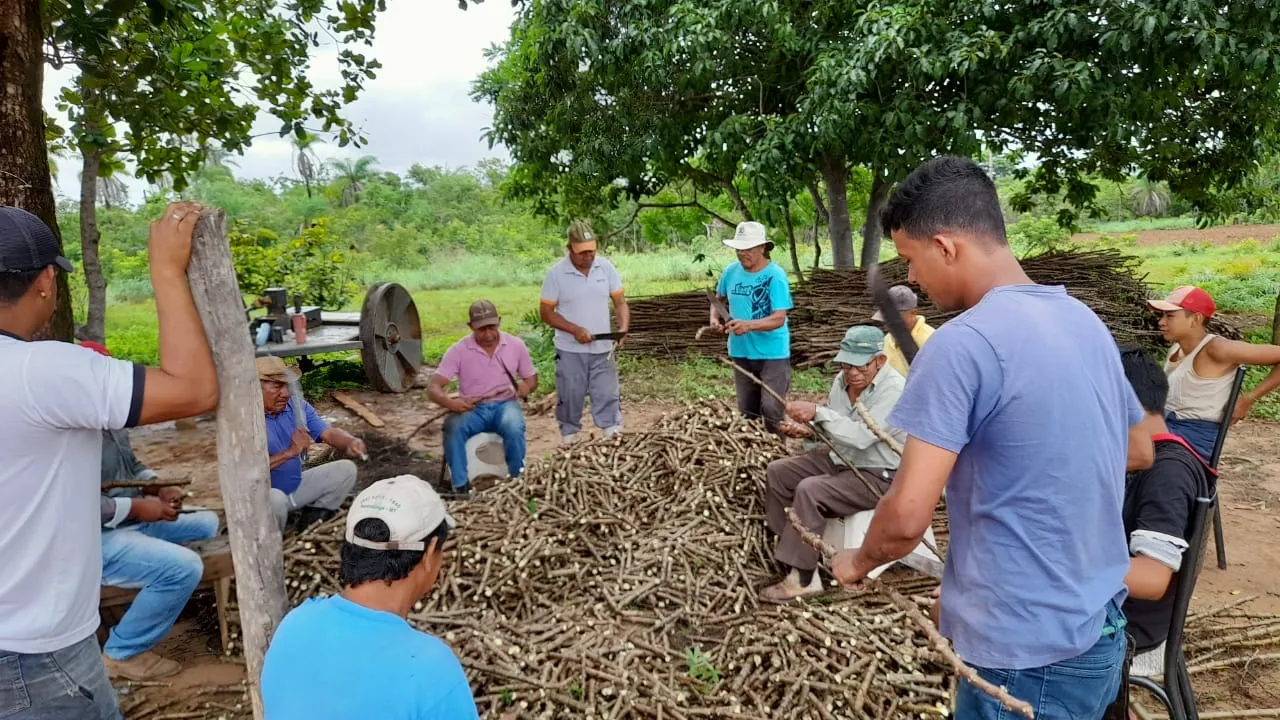
Cassava and cassava flour
Traditional production of our members, a food staple for many of the peoples we serve. Processed and sold locally and regionally.

Program
Coopaibra strengthens the agricultural, agro-industrial and livestock production of indigenous cooperative members across Brazil — connecting production, processing, logistics and market access through a cooperative structure.
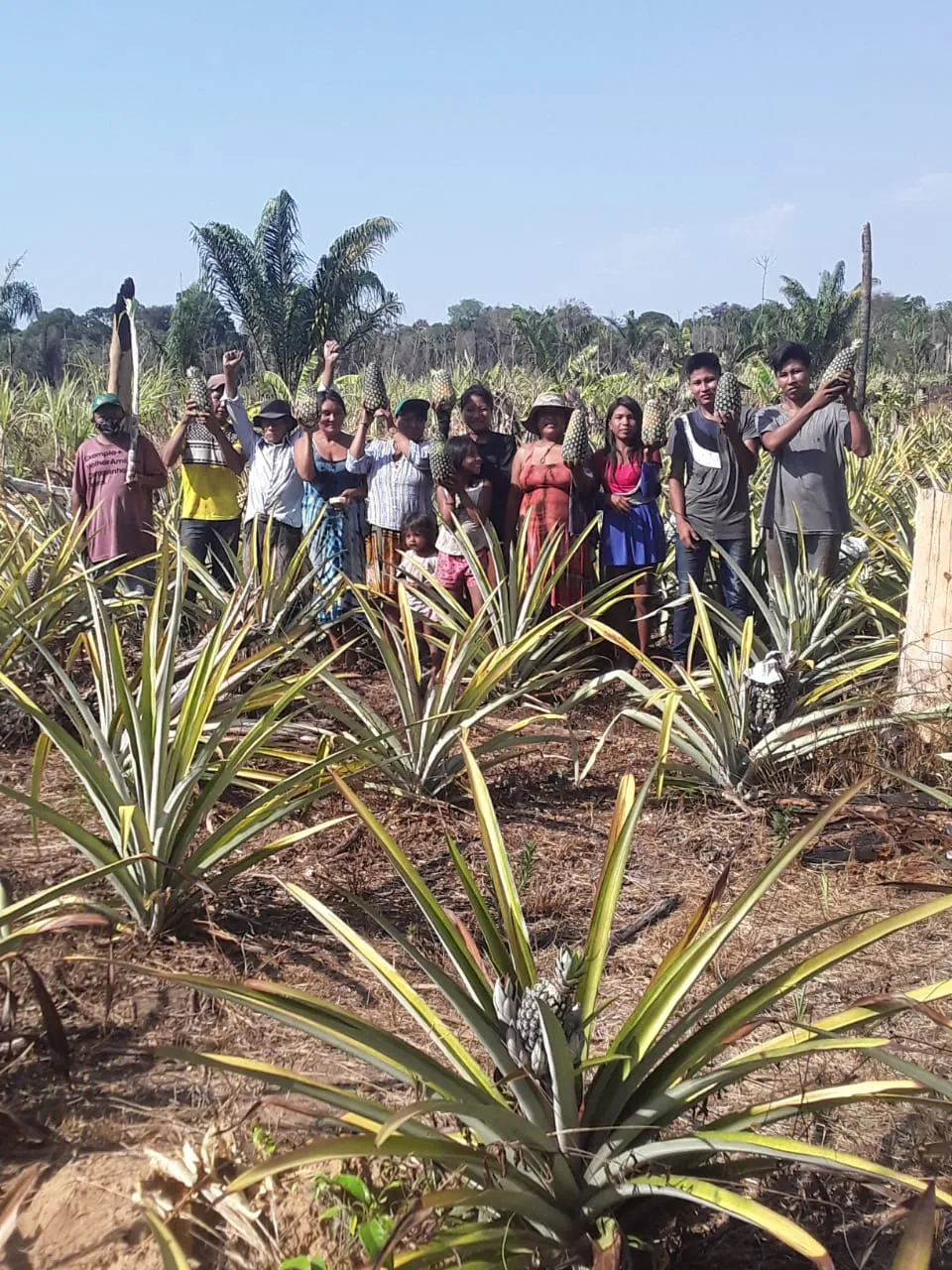
Cooperative community at harvest
Why indigenous production
Indigenous family agriculture combines traditional knowledge, biodiversity and the territorial scale of the cooperative communities. Coopaibra is the institutional structure that enables sustainable production, strengthens value chains and brings members' products to market — while respecting the autonomy of each people.
What we produce
Traditional and expanded production through integrated systems across seven states and the four biomes. The products below reflect the diversity of cooperative peoples.
Traditional production of our members, a food staple for many of the peoples we serve. Processed and sold locally and regionally.
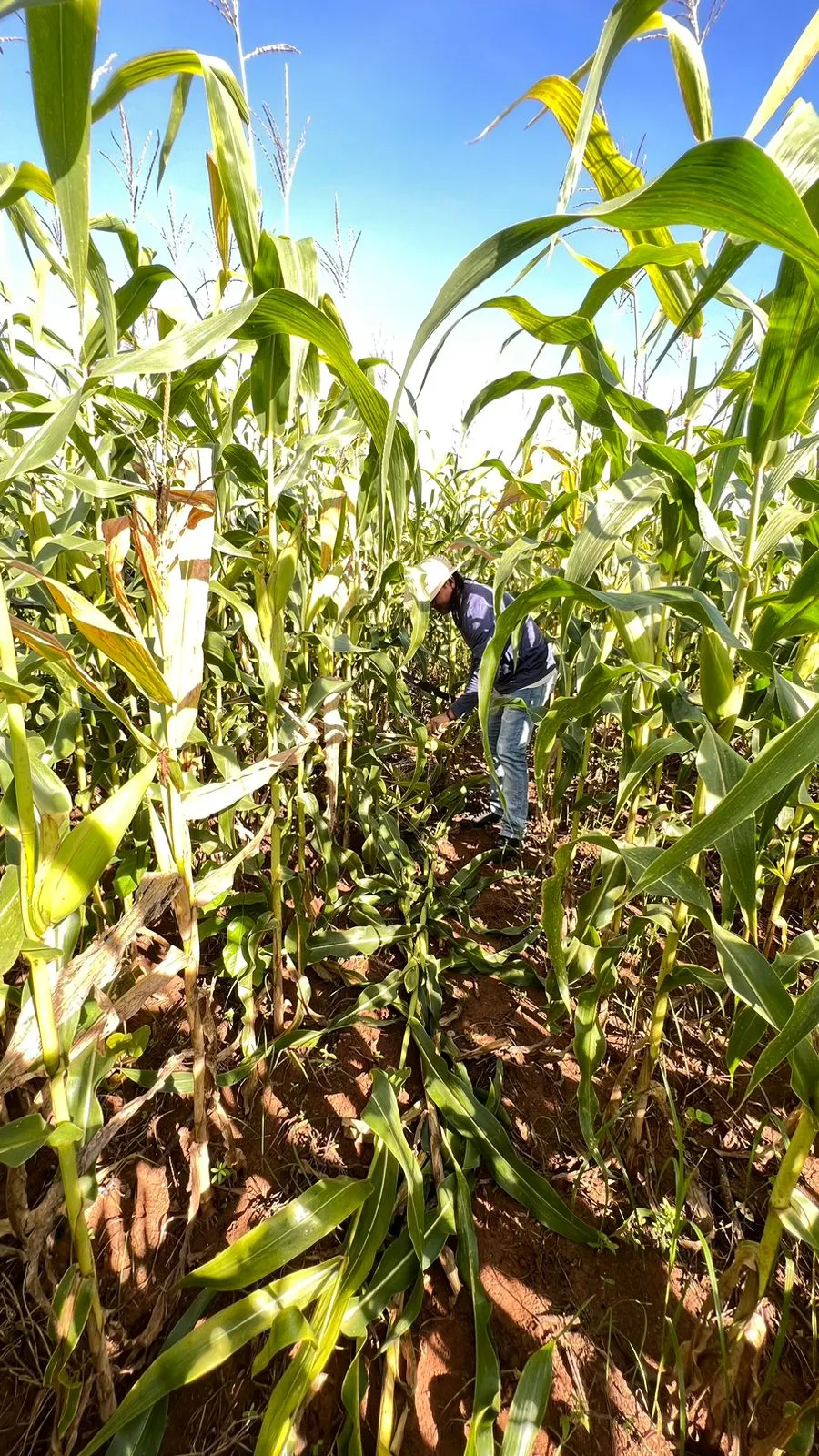
Grown both in traditional systems and in integrated Crop-Livestock-Forestry (ICLF) systems. Strong potential for expansion.
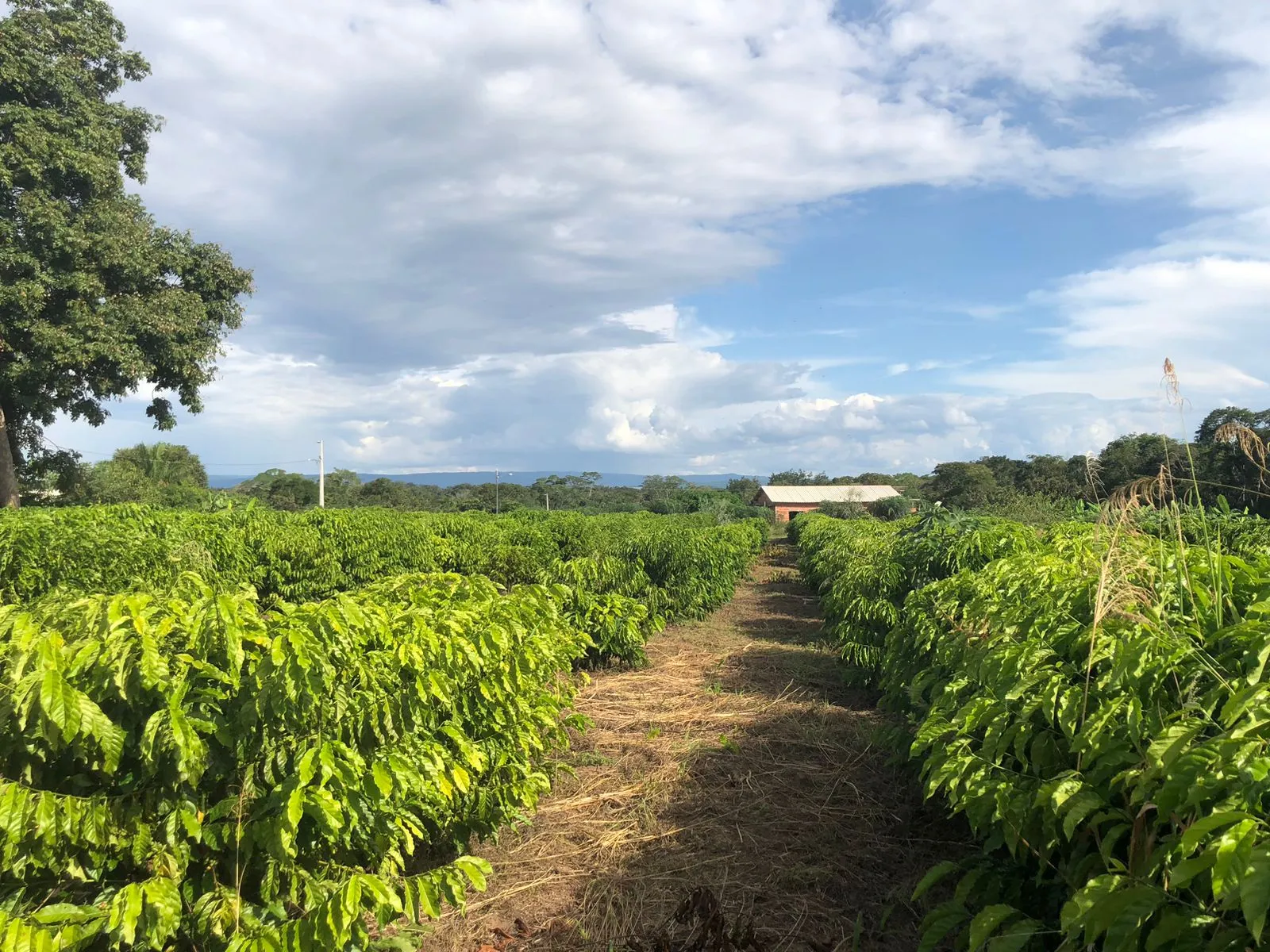
Member-grown coffee in sustainable systems, focused on quality and on value chains that recognise indigenous origin.
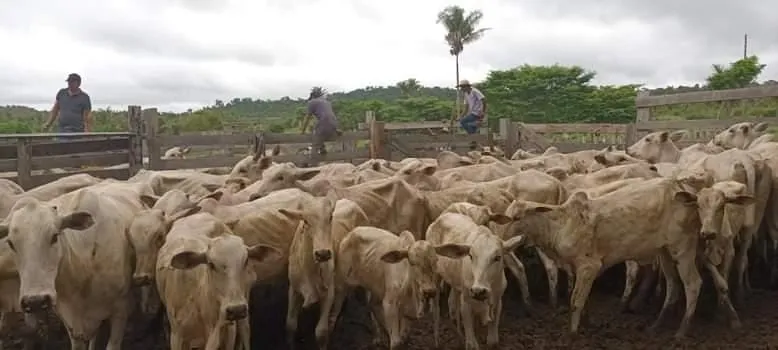
Cattle raising in integrated systems, aligned with the ICLF approach and the territorial realities of each community.
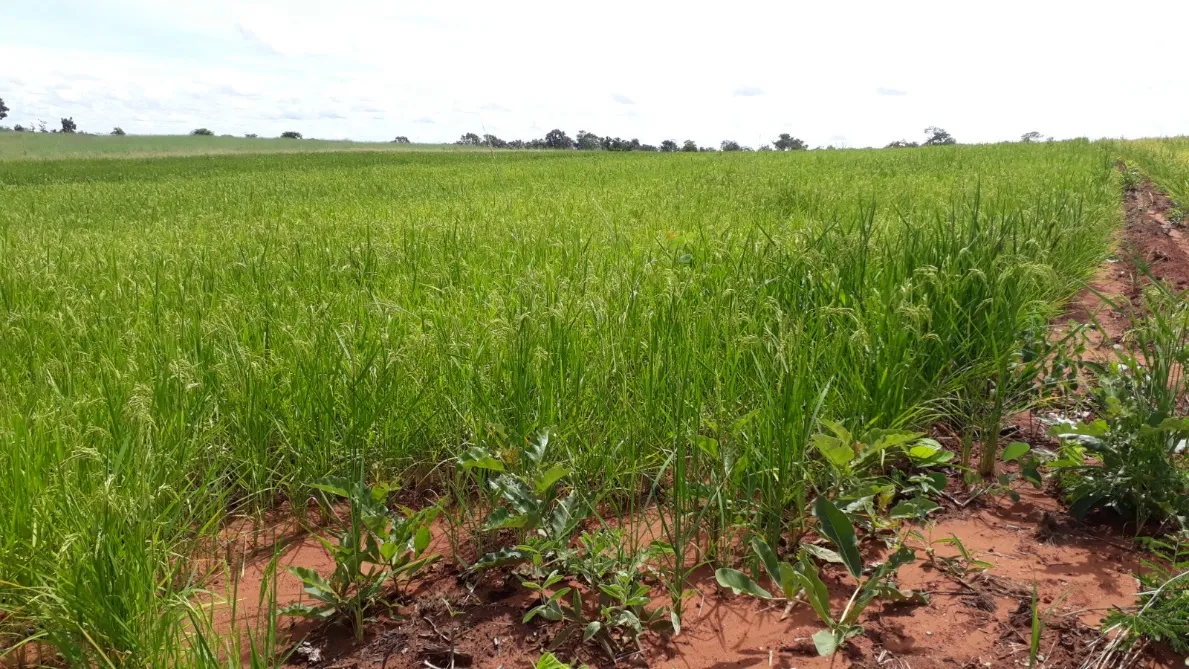
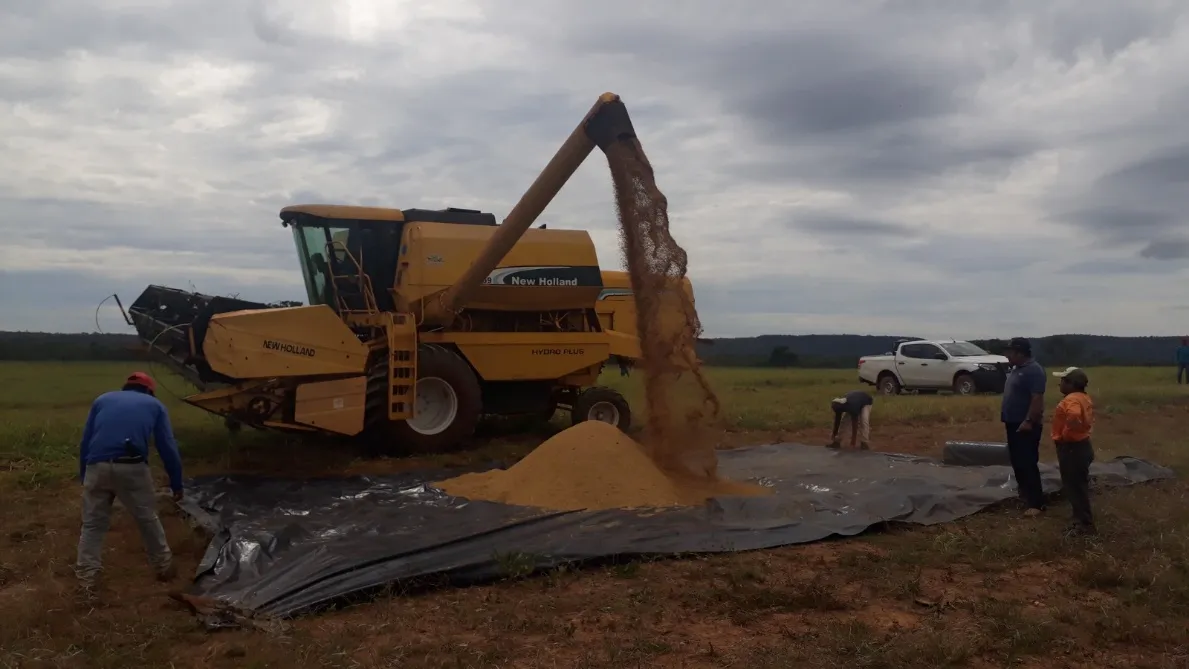
Commercial-scale production in communities with productive aptitude, with cooperative mechanisation and outbound logistics.
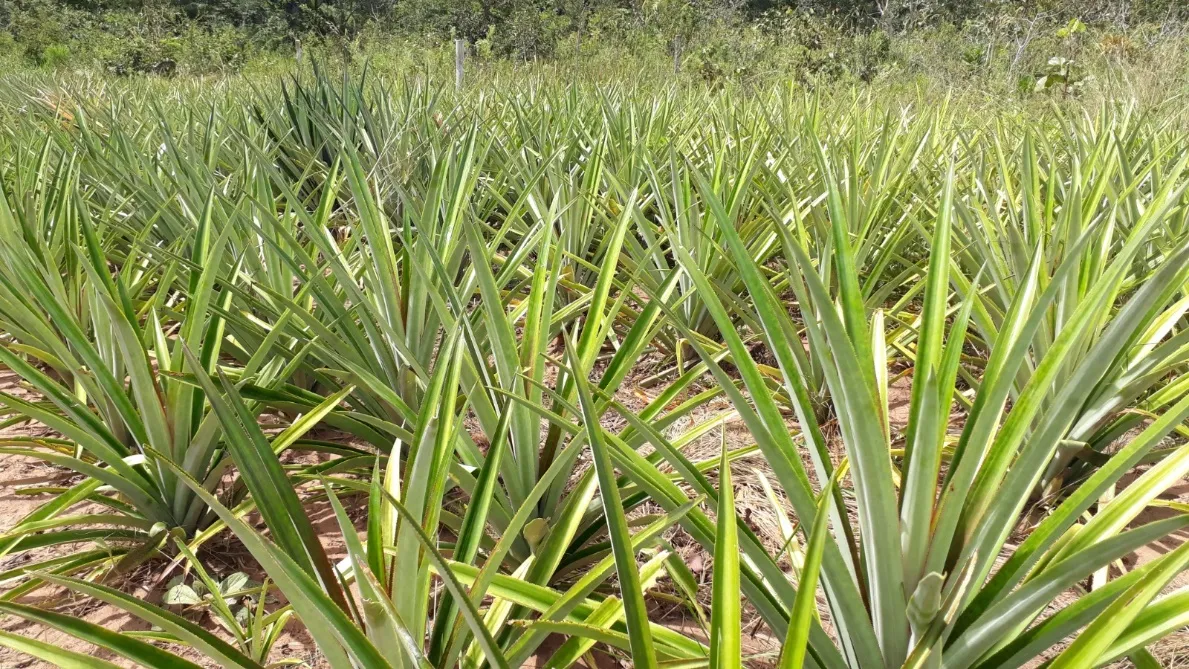
Tropical fruit cultivation including pineapple, banana, watermelon and açaí — a strong fit for the economy of the standing forest.
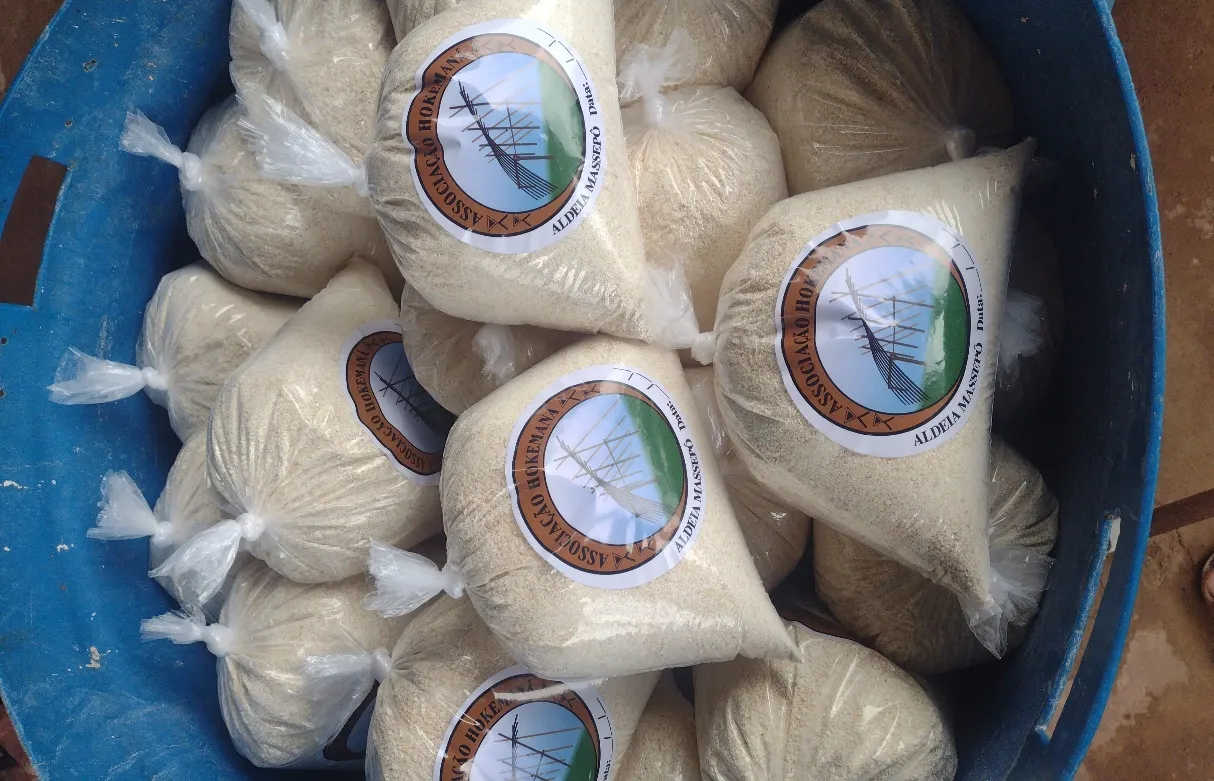
Indigenous-origin brand
Members' products reach the market with identity, traceability and origin value. Coopaibra supports in-community processing and access to commercial channels that recognise indigenous work.
Productive strategy
Four fronts guide Coopaibra's cooperative production work.
Growing members' output in scale and quality, with techniques that respect each people's traditional ways of life.
Collection, transport and shared processing/distribution infrastructure for indigenous production.
Integrated systems that restore degraded land, generate short-term income and keep the forest standing in the long term.
Bringing members' production to domestic and international markets — with recognised indigenous origin and traceability.
We seek commercial, technical and financial partners to scale members' production — with respect for each people's consultation protocol and community autonomy.
Get in touch