01
Employment and income generation
Agriculture, livestock and the maintenance of the standing forest as sources of work and income for our members.

About
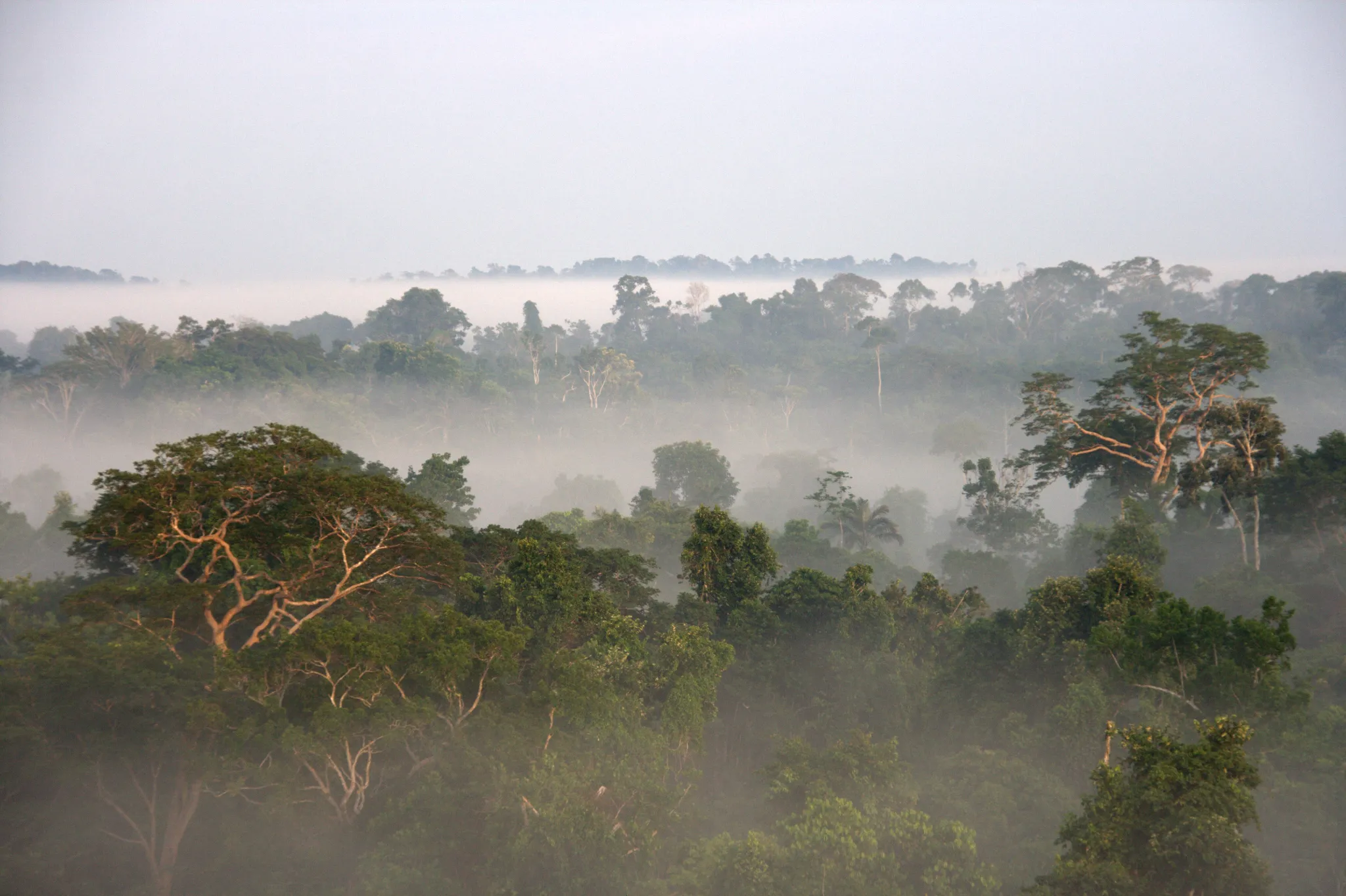
Amazon · one of the four biomes Coopaibra works in
Coopaibra was founded on 1 May 2021 in Brasília-DF, on the initiative of 24 founding members representing 20 indigenous peoples of Brazil — Umutina, Bakairi, Wapichana, Kayapó, Munduruku, Kayabi, Suruí, Terena, Kambiwá, Baniwa, Cinta Larga, Tupari, Kaingang, Waurá, Mehinako, Potiguara, Paiter Suruí, Fulni-ô and others.
The member communities account for a population of approximately 20,000 people and more than 15 million hectares of traditional lands across 7 Brazilian states and the four major biomes — Amazon, Cerrado, Caatinga and Pantanal.
Coopaibra is registered with the Federal District Commercial Registry under NIRE 53400011089, with headquarters currently in Cuiabá-MT.
Mission
Six statutory pillars guide the cooperative's work.
Agriculture, livestock and the maintenance of the standing forest as sources of work and income for our members.
Sustainable development of natural resources with respect for traditional ways of life.
Capacity building for members, including study grants and technical training.
Commercialisation of members' production in domestic and international markets.
Funding, working capital and equipment for indigenous productive activity.
Programs supporting the physical, mental and social health of members and their communities.
Institutional structure
Current Coopaibra leadership. Term in force until 2028.
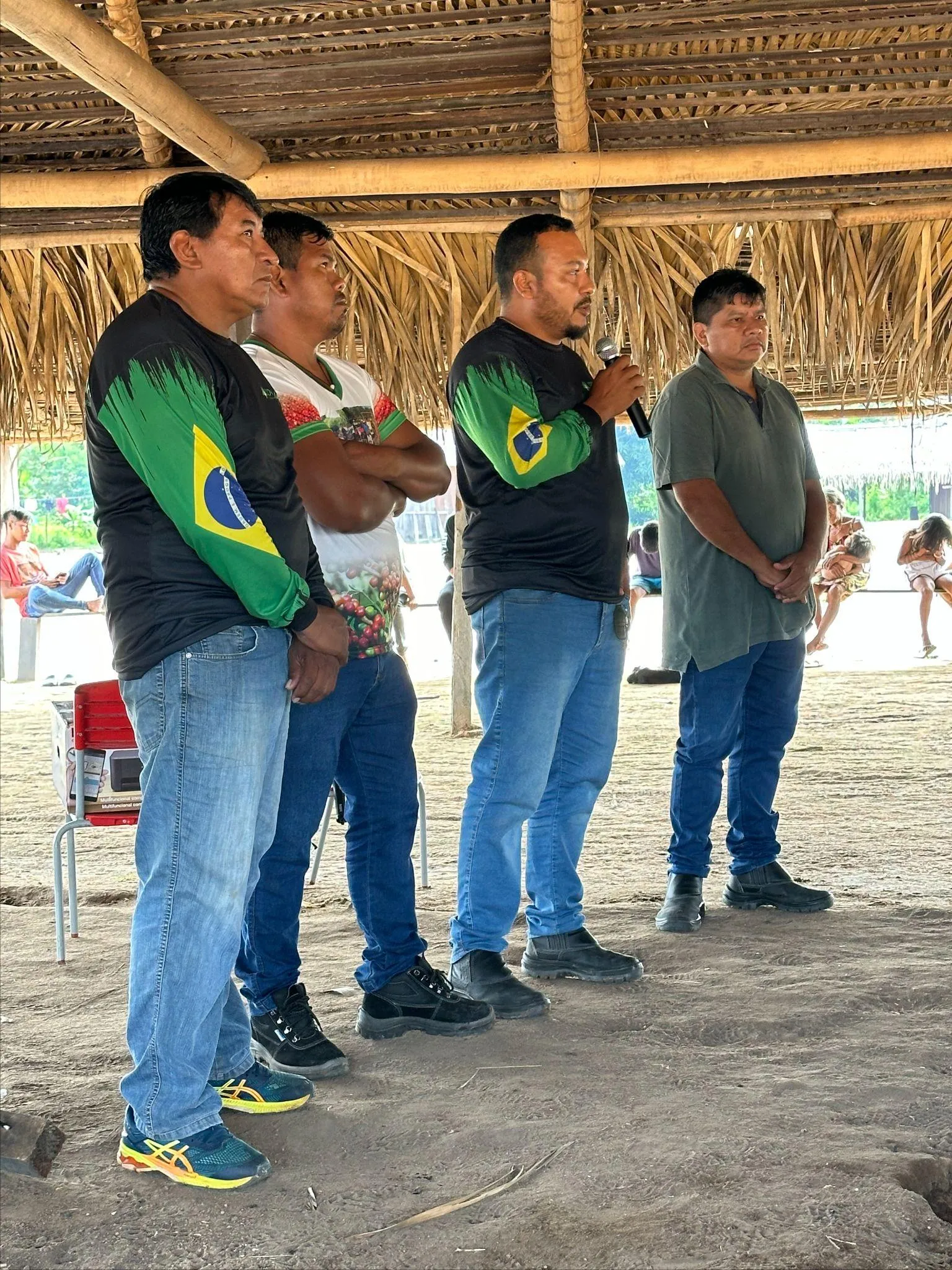
President
Felisberto de Souza Cupudunepá Filho
Sanitary engineer · Cacique of Massepô village
Umutina ethnicity · MT
Finance Director
Neuzinho Uapodonepá Boroponepá
Accountant
Umutina ethnicity · MT
Director (General Secretary)
Samuel da Silva Colman
Nurse
Terena ethnicity · MS
Director
Edson de Oliveira Santos
Teacher
Bakairi ethnicity · MT
Advisory and fiscal councils are made up of members elected at the general assembly, in accordance with Coopaibra's bylaws.
Leads strategic management and answers to the general assembly for institutional decisions.
Technical advisory body with external audit function — safeguards compliance of projects and processes.
Technically evaluates each new project before the cooperative engages, using institutional, socio-environmental and viability criteria.
What sets us apart
Created and composed by members of 20 peoples — providing direct knowledge of the needs and aspirations of the communities served.
Institutional commitment to the protection of the environment and to the culture and traditions of our members' peoples.
First national indigenous cooperative active in 7 states and across the four major biomes — Amazon, Cerrado, Caatinga and Pantanal.
Given the biodiversity and territorial scale served, significant potential for agricultural, agro-industrial and carbon-credit projects.
R. Comandante Costa, 1649
Centro-Sul · Cuiabá-MT · Brazil
ZIP 78.020-400
CNPJ 42.161.184/0001-11 · NIRE 53400011089